Estimating the risk of failure
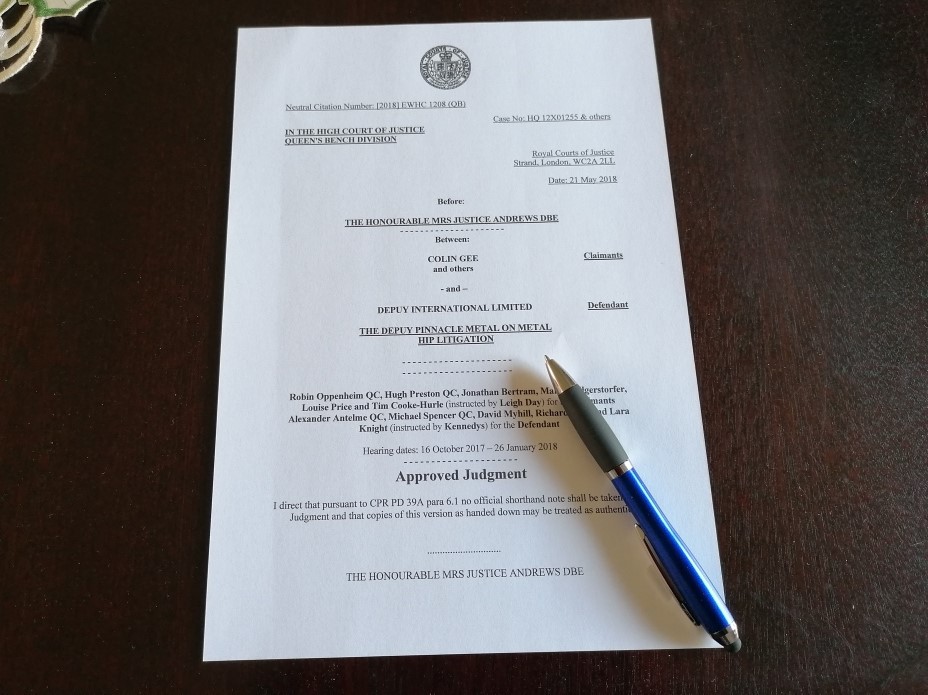
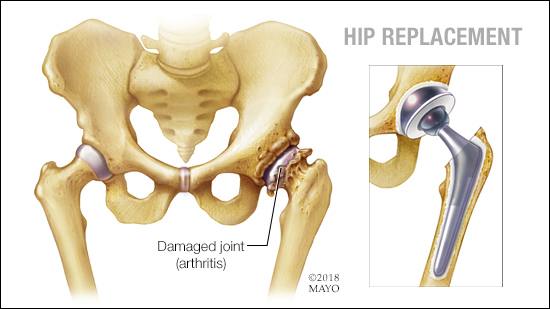
In 2018 Ian Haley was among a group of 312 patients, who sued Depuy in the English High Court because they had an adverse reaction to metallic debris (ARMD) from the hip’s metallic bearing surfaces. So, they claimed that the Pinnacle Hips with a metal on metal (MoM) bearing were legally defective.
Their claim was based on Part 1 of the Consumer Protect Act implementing the European Product Liability Directive in British Law.
In Article 6 the Directive says:-
A product is defective when it does not provide the safety which a person is entitled to expect, taking all circumstances into account,
Article 6 (1) of the European Product Liability Directive
The patients’ first claim against Depuy, alleging that the defect was the ‘production of metal wear particles from the bearing surfaces’, is discussed in my previous post.
So now we will turn our attention to the patients’ secondary claim that:-
…”the Pinnacle Ultamet prosthesis had “an abnormal potential for damage, compared with existing established non-MoM total hip replacement prostheses and/or that a large head MoM articulation had an abnormal potential for damage compared to alternative bearing surfaces within the Pinnacle modular system”
Pinnacle Judgement Paragraph 136
The Statistical Evidence
The Judge – Mrs Justice Andrews – established a two stage test for the claimants to satisfy in order to obtain compensation:-
- Firstly, they must show that the risk of revision surgery – to repair or replace their hip – within 10 years was significantly increased by the use of a Pinnacle MoM hip, compared with alternative products already accepted in the market place in 2002.
- Secondly, individual patients must show that, on the balance of probabilities their revision surgery was the result of the increased risk, associated with the development of ARMD
Discussing how the first test could be satisfied, Mrs Justice Andrews observed that:-
(more…)